


Warehouse
What is a Warehouse in Real Estate Terms?
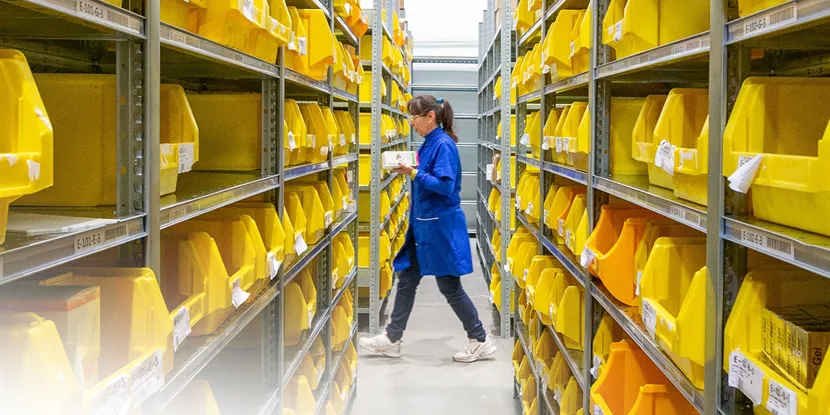
A warehouse is a specialized commercial property, tailored to store and distribute goods. Picture a vast, single-story building with high ceilings and ample space for loading and unloading. It's not just a big room; it's a logistical hub, crucial for managing inventory and ensuring products move smoothly through the supply chain.
Why is Warehouse Space in Demand?
The rise of e-commerce has supercharged the need for warehouses. As more people shop online, businesses need efficient spaces to manage, store, and send out their products. The global pandemic only added fuel to this fire, pushing even more shopping online and increasing the demand for warehouse real estate.
What Makes a Warehouse Unique?
Warehouses aren't just big empty spaces. They come with features tailored to their purpose. Think about clear height measurements, spaces between columns, dock doors for easy loading, and floors that can handle heavy loads. Plus, modern warehouses are smart. They're kitted out with the latest tech, from automation and robotics to advanced inventory management systems, all designed to boost efficiency and cut costs.
Can You Provide an Example?
Consider Amazon, the e-commerce giant. Its success isn't just down to its website; it's also about logistics. Amazon has a vast network of warehouses, strategically placed near major population centers. This setup means faster deliveries for customers and showcases the vital role warehouses play in the real estate market.
In Conclusion...
Warehouses play a starring role in the real estate world. They're not just about storage; they're about logistics, efficiency, and meeting the demands of a rapidly changing retail landscape. As technology and shopping habits evolve, warehouses will continue to be a key player in the property market.
- → What is a Warehouse in Real Estate Terms?
- → Why is Warehouse Space in Demand?
- → What Makes a Warehouse Unique?
- → Can You Provide an Example?
- → In Conclusion...
- Adjustable-Rate Mortgage (ARM)
- Amortization
- Annual operating expenses
- Annual Percentage Rate (APR)
- Annual rent incl. Operation
- Annuity
- Appreciation
- Arbitration
- As-Is Condition
- Asbestos
- Bankruptcy
- Bidding War
- Bilateral Contract
- Blanket Insurance Policy
- Bona Fide
- Borough
- Breach of Contract
- Breach of Warranty
- Brokerage
- Built-up area
- Business rates
- Buyer's Market
- Cap Rate
- Capital Gains
- Cash price
- Certificate of Deposit (CD)
- Clinic
- Closed office
- Collateral
- Commercial area
- Commercial Property
- Commercial property value
- Commercial real estate
- Commission
- Comparative Market Analysis
- Cost-determined rent
- Covenant
- Coworking space
- Credit
- Damage & Destruction (In a Lease)
- Days on the market
- Debt
- Deposit
- Depreciation
- Down Payment
- Duplex
- Energy label
- Environmental Impact Statement
- Eviction
- External valuer
- Fiduciary Duty
- Fixed-Rate Mortgage
- Gross Income
- Gross Lease
- Gross Up
- Ground Lease
- Ground rent
- Industrial property
- Inflation
- Interest Rate
- Investment
- Investment Property
- Investor
- Lease
- Lease Buyout
- Lease Option
- Letter of Intent
- Market rent
- Mediation
- Mortgage
- Mortgage Broker
- Multi-user property
- Net yield
- Office Community
- Office Hotel
- Office Space
- Open House
- Open Space
- Operating Expenses
- Oral Agreement
- Potential Rental Income
- Production facilities
- Project property
- Property Company
- Property Manager
- Property Tax
- Proposal To Lease
- Real Estate Agent
- Real Estate Broker
- Realtor
- Rental Income
- rental period
- Repossession
- Restaurant
- Restructured Loan
- Retail
- Return
- Security deposit
- Service charge
- Shared Office
- Shop
- Showroom
- Square meter price
- Storage
- Store
- Sublease
- Tax deduction
- Tenant Improvement Allowance
- Tendering price
- Virtual office
- Warehouse
- Year of construction
- Yearly rent