


Project property
What Exactly is a Project Property?
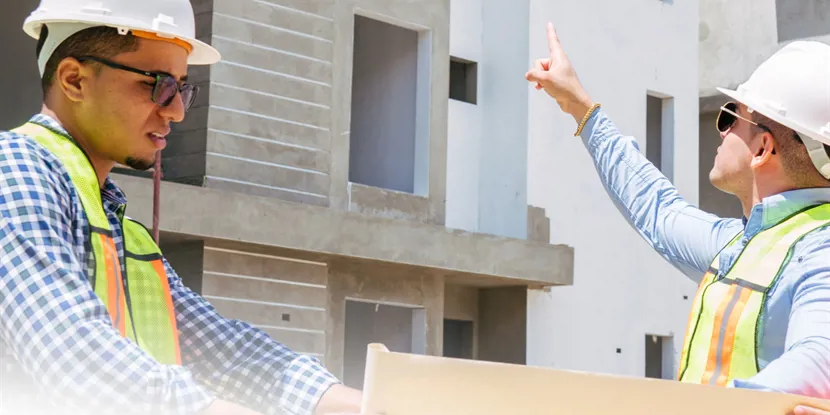
At its core, a project property is all about transformation. It involves buying land or buildings with a clear plan in mind: to develop something specific on it. This could be anything from homes and office spaces to shopping centers or factories. The key here is intention. Investors aren't just buying to hold onto the property; they're buying to make big changes.
Why Do Developers Opt for Project Properties?
The allure of project properties for developers is the potential for significant returns on their investment. By taking a piece of land or an old building and turning it into something new and in-demand, they can add a lot of value. It's not just about bricks and mortar; it's about vision, strategy, and architectural flair.
How Do Project Properties Impact the Real Estate Market?
Project properties can be game-changers for the real estate market. By transforming underused or undeveloped spaces, developers can meet specific market needs. This not only creates opportunities for people and businesses but can also boost the value of the surrounding area. It's a ripple effect: one successful project can attract more investment and spark economic growth.
Can You Paint Me a Picture?
Imagine a developer buying a plot of land and turning it into a mixed-use space with homes, shops, and recreational areas. This new development doesn't just offer housing and shopping; it can rejuvenate a neighborhood, create jobs, and stimulate the local economy. It's like planting a seed and watching a whole garden grow around it.
Wrapping It Up...
Project properties are all about vision and transformation. They're real estate assets bought with a specific development plan in mind. Through careful planning and construction, these properties can reshape neighborhoods and ignite local economic growth.
- → What Exactly is a Project Property?
- → Why Do Developers Opt for Project Properties?
- → How Do Project Properties Impact the Real Estate Market?
- → Can You Paint Me a Picture?
- → Wrapping It Up...
- Adjustable-Rate Mortgage (ARM)
- Amortization
- Annual operating expenses
- Annual Percentage Rate (APR)
- Annual rent incl. Operation
- Annuity
- Appreciation
- Arbitration
- As-Is Condition
- Asbestos
- Bankruptcy
- Bidding War
- Bilateral Contract
- Blanket Insurance Policy
- Bona Fide
- Borough
- Breach of Contract
- Breach of Warranty
- Brokerage
- Built-up area
- Business rates
- Buyer's Market
- Cap Rate
- Capital Gains
- Cash price
- Certificate of Deposit (CD)
- Clinic
- Closed office
- Collateral
- Commercial area
- Commercial Property
- Commercial property value
- Commercial real estate
- Commission
- Comparative Market Analysis
- Cost-determined rent
- Covenant
- Coworking space
- Credit
- Damage & Destruction (In a Lease)
- Days on the market
- Debt
- Deposit
- Depreciation
- Down Payment
- Duplex
- Energy label
- Environmental Impact Statement
- Eviction
- External valuer
- Fiduciary Duty
- Fixed-Rate Mortgage
- Gross Income
- Gross Lease
- Gross Up
- Ground Lease
- Ground rent
- Industrial property
- Inflation
- Interest Rate
- Investment
- Investment Property
- Investor
- Lease
- Lease Buyout
- Lease Option
- Letter of Intent
- Market rent
- Mediation
- Mortgage
- Mortgage Broker
- Multi-user property
- Net yield
- Office Community
- Office Hotel
- Office Space
- Open House
- Open Space
- Operating Expenses
- Oral Agreement
- Potential Rental Income
- Production facilities
- Project property
- Property Company
- Property Manager
- Property Tax
- Proposal To Lease
- Real Estate Agent
- Real Estate Broker
- Realtor
- Rental Income
- rental period
- Repossession
- Restaurant
- Restructured Loan
- Retail
- Return
- Security deposit
- Service charge
- Shared Office
- Shop
- Showroom
- Square meter price
- Storage
- Store
- Sublease
- Tax deduction
- Tenant Improvement Allowance
- Tendering price
- Virtual office
- Warehouse
- Year of construction
- Yearly rent